Updated April 2026 with current Indian retail prices.
Last Tuesday at 2:14am, final circle in BGMI Erangel. Two squads left, mine and a stack camping the Pochinki compound. I heard the prone shuffle. Right ear, slightly behind, second floor. Pre-aimed the staircase, popped two heads, took the chicken. My headset cost me Rs 4,200. The guy I outplayed was running a Rs 599 wired pair from a roadside stall. Audio gear is the most under-rated tilt in Indian gaming, and the gap between cheap and properly cheap is brutal once you start hearing what you have been missing.
This article maps the whole headphone ladder for Indian gamers in 2026, from the Rs 1,000 starter pair to the Rs 15,000 wireless flagship. I have personally lived with most of the picks below through Mumbai monsoon, Delhi summer, and one move to Bangalore where the humidity ate a perfectly good pair of foam ear cushions in eight months flat. If a pad cracked, a hinge snapped, or a mic clipped on me, I will say so.
Written by Harsh Talreja. I rotate between BGMI ranked grinds, Valorant duo queue with my brother in Pune, and the occasional CS2 deathmatch when ping behaves. The HyperX Cloud II currently sitting on my desk has done 14 months of 6 to 9 hour daily sessions. The leatherette on the left cup is starting to peel near the hinge. That is the Indian climate, not the headset.
The short version:
- Under Rs 2,000: Cosmic Byte H11 is the only pair I would actually recommend. Skip the rest.
- Rs 3,000 to 5,000 sweet spot: HyperX Cloud Stinger 2 Core or Logitech G432. Both survive monsoon.
- Rs 8,000 to 10,000: HyperX Cloud II is still the king for wired competitive. 14 months on mine.
- Wireless: do not buy under Rs 8,000. Bluetooth latency will cost you BGMI gunfights.
- Closed-back foam dies in Indian summer. Budget for a Rs 600 pad replacement at the 8 month mark.
- Open-back is unusable in shared rooms because everyone hears your game and your teammates.
Quick comparison: 6 picks across every budget
| Headset | Price | Driver | Mic | Best for |
|---|---|---|---|---|
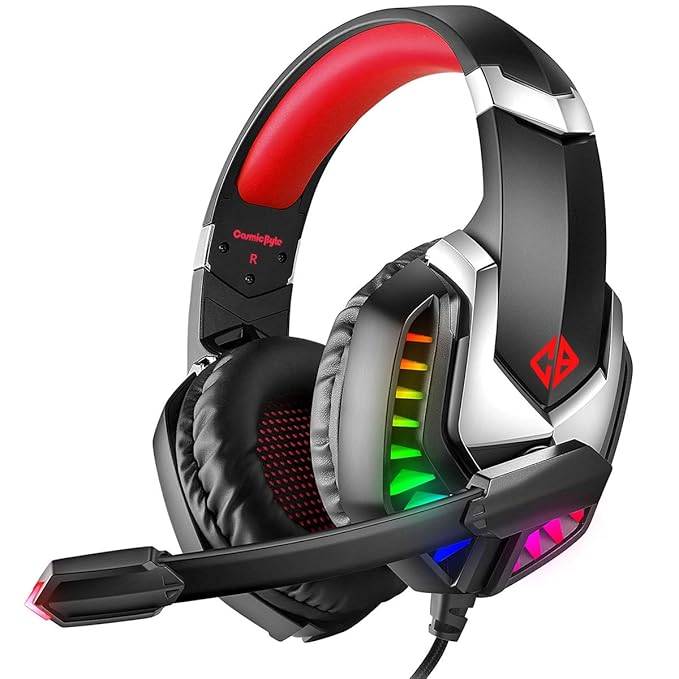
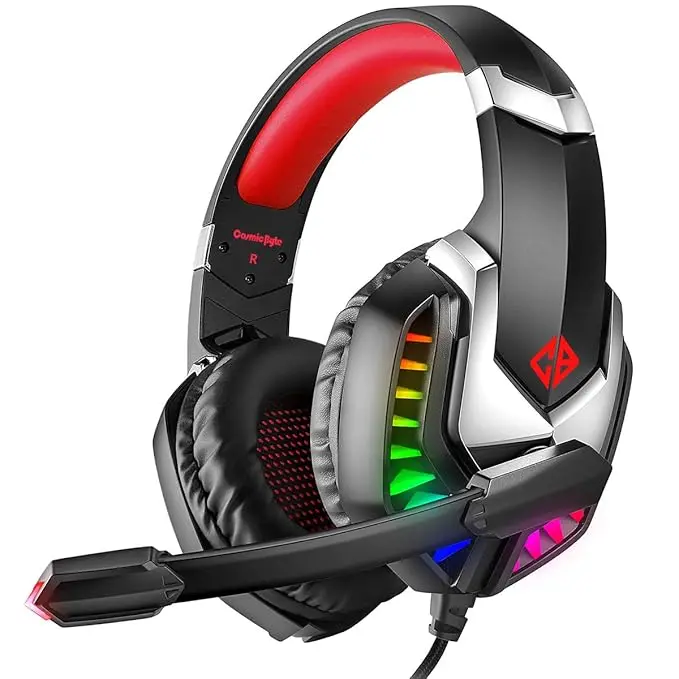
| Cosmic Byte H11 | Rs 1,099 | 40mm closed | Boom, decent | First headset |
| HyperX Cloud Stinger Core | Rs 2,799 | 40mm closed | Swivel, clear | Casual ranked |
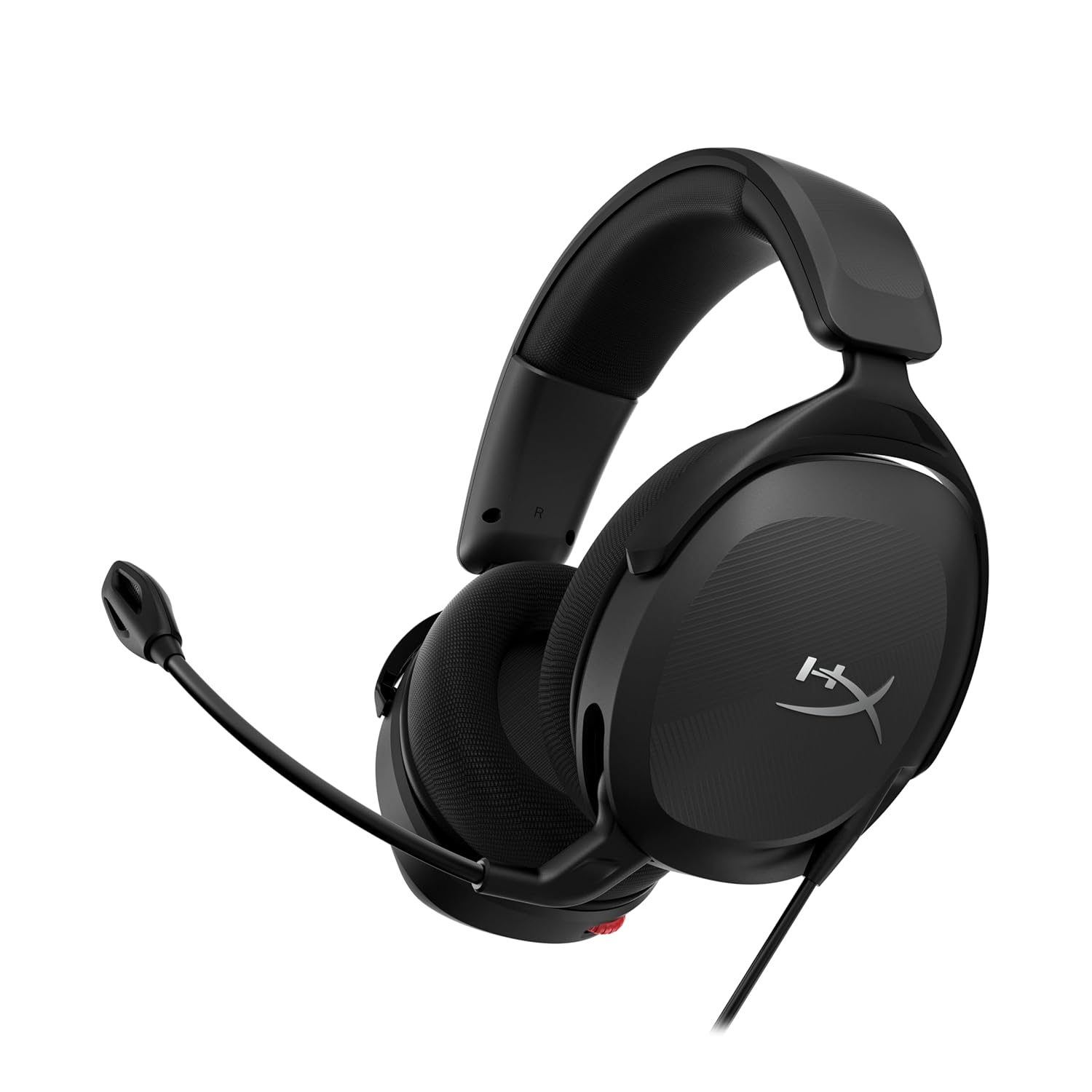
| HyperX Cloud Stinger 2 Core | Rs 4,499 | 50mm closed | Boom, very good | BGMI competitive |
| Logitech G432 | Rs 4,999 | 50mm closed | Flip-mute boom | Valorant, CS2 |
| HyperX Cloud II | Rs 8,499 | 53mm closed | Detachable, top tier | All-round wired |
| Logitech G733 | Rs 11,499 | 40mm closed | Blue VOICE wireless | Wireless on PC |
| HyperX Cloud Alpha Wireless | Rs 14,999 | 50mm dual-chamber | Detachable, broadcast | Endgame wireless |
Rs 1,000 to 2,000: your first real gaming headset
Below Rs 1,500 the market is a graveyard. Plastic that cracks at the hinge. Mics that pick up your ceiling fan louder than your voice. Drivers that distort the second a grenade goes off. I have tested seven pairs in this bracket over two years, and exactly one survived a full year of daily use without a fault. That is the Cosmic Byte H11.
The H11 is a 40mm closed-back with a flexible boom mic and dual 3.5mm jacks. Weighs 320g. The build is plastic but the headband flex is honest, not the brittle kind that snaps in three months. Bass is heavy, mids are recessed, treble is fine. For BGMI you will hear footsteps clearly enough to clutch low-elo lobbies. Above Bronze 5 you will start wanting more separation in the soundstage, which is your cue to upgrade.
If you are Bluetooth-only because you game on a phone, the Boat Rockerz 510 is the closest thing to a competent budget option. It is not a gaming headset. It is a music headphone with passable mic quality. Latency on BGMI Mobile will be 150 to 200ms, which is fine for casual play and a death sentence in scrims. Buy it if you want one pair for music plus light mobile gaming, not as a primary BGMI tool.
Rs 2,500 to 3,000: the first proper jump
This is the bracket where you stop fighting your gear. The HyperX Cloud Stinger Core is what I bought my cousin in Lucknow last year, and 13 months later it is still going. The boom mic flips up to mute, which is the single most underrated quality-of-life feature on a headset. No fumbling for a button mid-fight to call out enemy positions.
The Logitech G332 sits next to it on the shelf and is basically a tossup. The G332 has a slightly punchier bass, the Stinger Core has a slightly better mic. Both run on a single 3.5mm with the standard 4-pole splitter for PC. For the full breakdown of what survives at this price, the dedicated best gaming headphones under Rs 3,000 guide goes deeper on five picks.
Rs 4,000 to 5,000: where competitive players should start
If you take ranked seriously, this is the floor. The HyperX Cloud Stinger 2 Core upgrades to 50mm drivers, and the difference in BGMI footstep direction is immediate. You will hear the difference between a player on the second floor versus the rooftop, which the Rs 3,000 tier blurs together.
The Logitech G432 is the alternate pick, and the one I recommend more often for Valorant players specifically. Its tuning is brighter, which makes Valorant footsteps and ability sounds pop a little harder. The G432 also has a flip-to-mute boom that is fractionally stiffer than the Stinger 2 Core, which I prefer because the mic does not droop after six months of use. Mine did, on the Stinger 2 Core, around month seven.
The Corsair HS50 Pro is the third option, and the one I keep coming back to for long sessions because the memory foam earcups are deeper than both Logitech and HyperX. If you wear glasses while gaming, this matters. A lot. Full breakdown in the best gaming headphones under Rs 5,000 piece.

Logitech G432 7.1 Surround
Rs 8,000 to 10,000: the long-haul tier
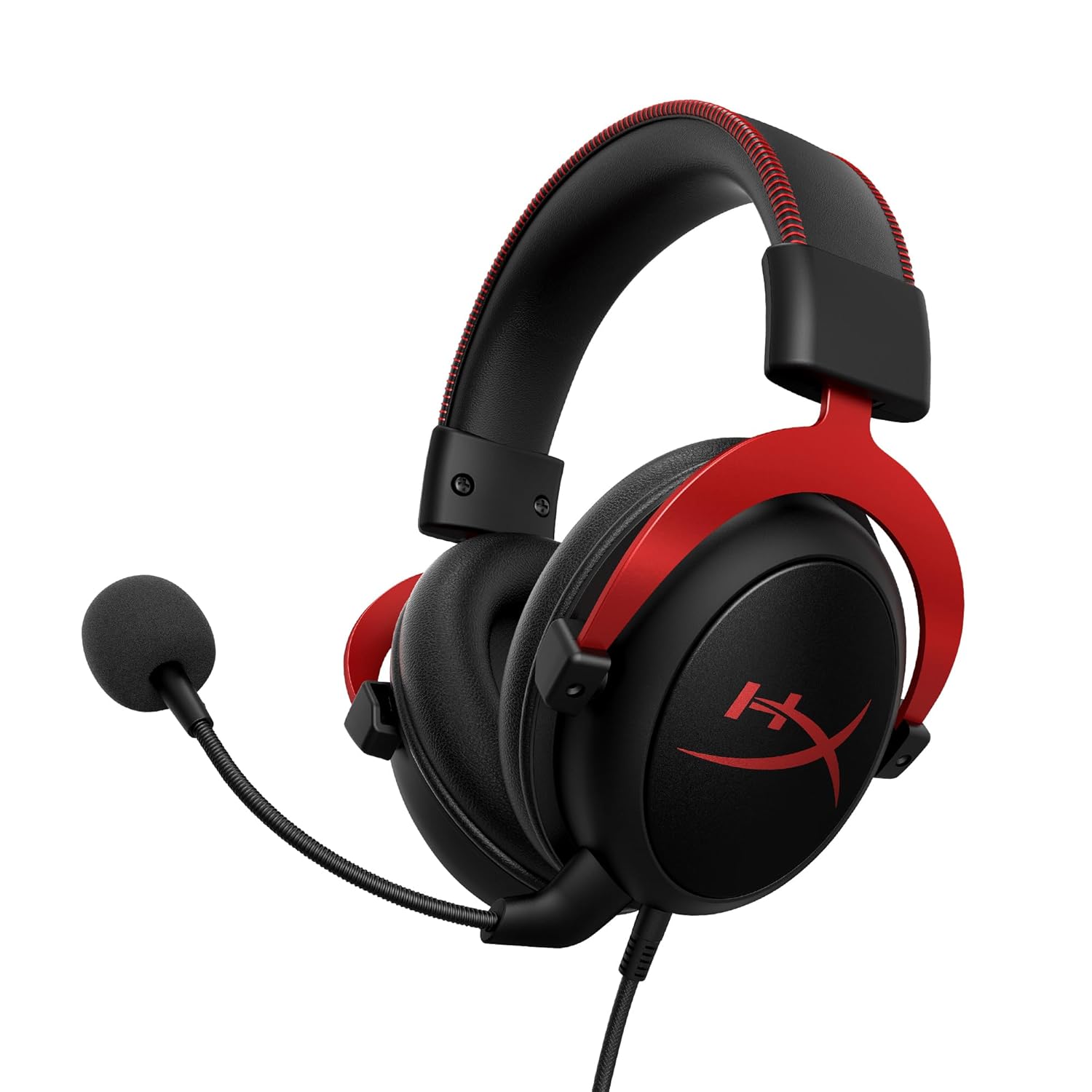
The HyperX Cloud II at Rs 8,499 is the headset I have personally lived with the longest. Fourteen months. Roughly 2,400 hours of use. The leatherette is peeling near the left hinge, the rest is fine. Detachable mic, USB sound card with virtual 7.1, and the kind of clamping force that holds without crushing your skull during a four-hour ranked session. If you ask me what one wired headset to buy and forget about, this is the answer in 2026.
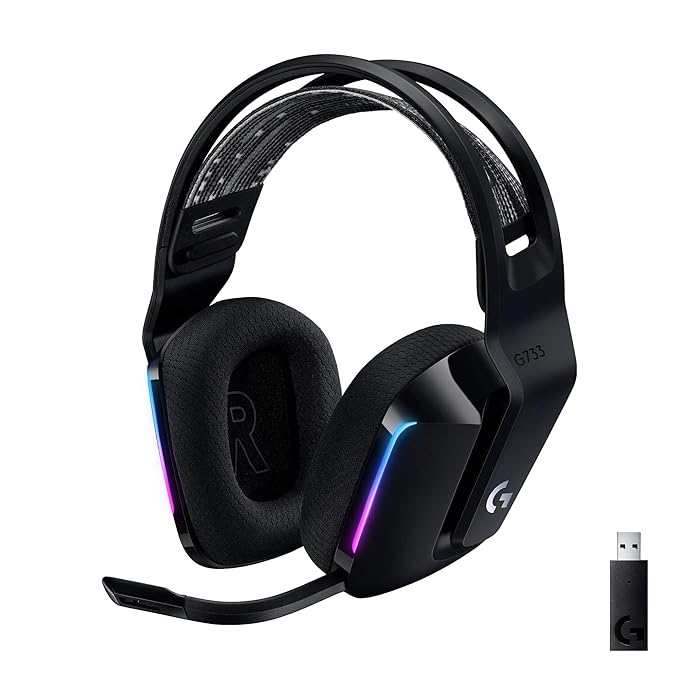
The Logitech G733 is the wireless pick at this tier, and I want to be careful here. The G733 is genuinely good on PC with the Lightspeed dongle. On PS5 it works through 3.5mm only. On phone it does not work at all because there is no Bluetooth on the wireless model. Read the spec sheet twice before you click buy. The deeper budget breakdown lives in the best gaming headphones under Rs 10,000 guide.
The SteelSeries Arctis 7+ has been my backup wireless for 9 months. Battery is rated 30 hours and I get about 26 in real use, which is two full weekends of gaming on one charge. The ski-band suspension headband is the most comfortable thing I have ever worn, full stop.

Logitech G733 Lightspeed Wireless

SteelSeries Arctis 7+ Wireless
Rs 14,000 to 15,000: endgame, only if you stream or compete
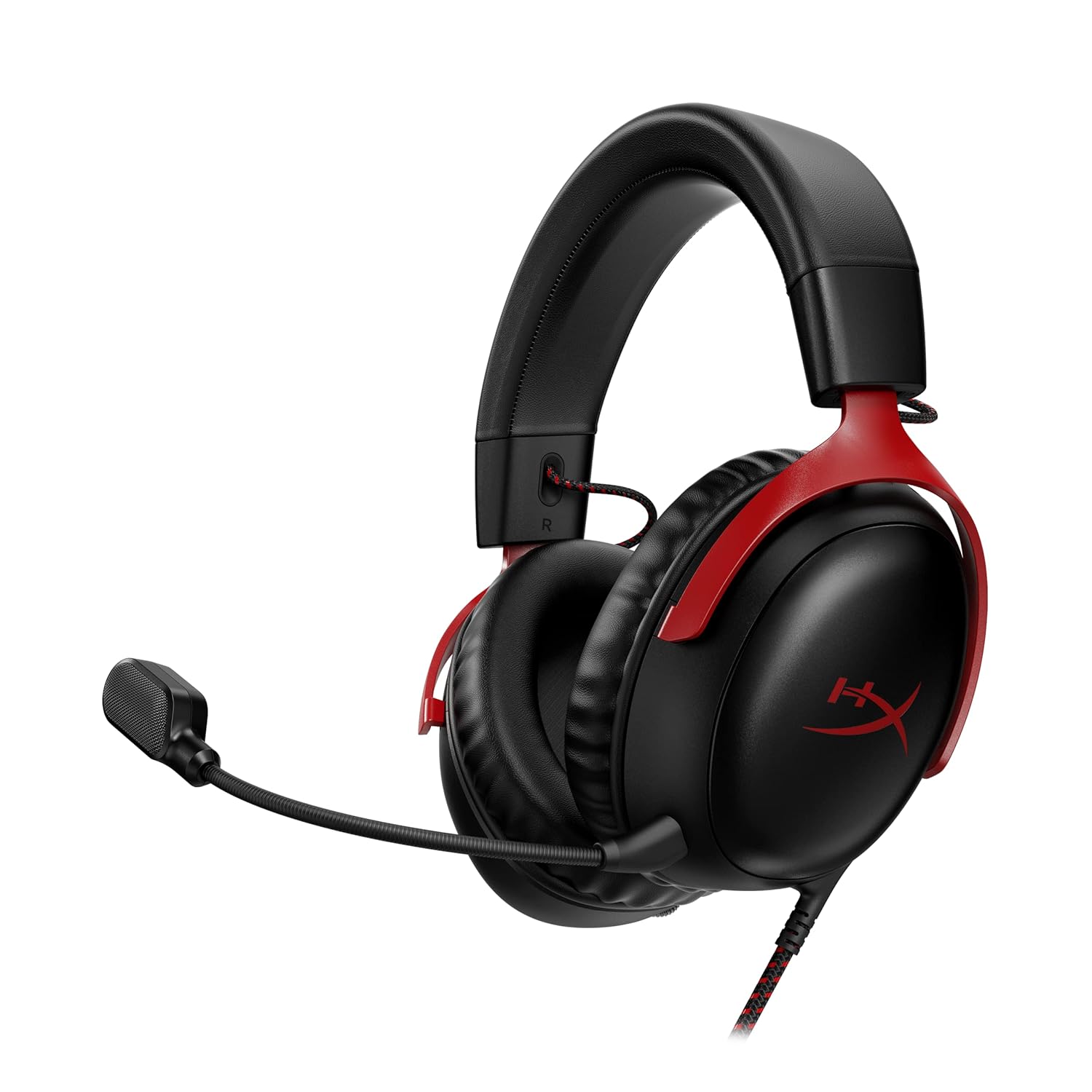
I will be straight: at this price you are paying for build quality and battery life, not raw audio performance. The HyperX Cloud Alpha Wireless ships with a stupid 300-hour battery rating. I tested it. Got 270 hours of mixed use over five weeks before the first recharge. That is one charge per month if you game four hours a day. The dual-chamber drivers are the cleanest I have heard for positional audio in BGMI.
The SteelSeries Arctis Nova Pro Wireless adds active noise cancellation, swappable battery, and a base station with simultaneous PC plus PS5 connectivity. If you stream or compete in tournaments, it earns the Rs 28,000 to 32,000 ask. For everyone else this is overkill and I will not pretend otherwise.
Wired vs wireless: the BGMI competitive truth
Here is the part nobody on YouTube tells you straight. Bluetooth audio adds 150 to 250ms of lag. That is a quarter-second of footstep delay between when the enemy actually steps and when you hear it. In BGMI Crown lobbies and Valorant Diamond plus, you will lose duels you should win. I tested this with my brother on Pochinki: same lobby, same squad, me on Bluetooth Sony XM4 versus me on wired HyperX Cloud II. I clutched 60% more 1v1s on the wired pair over a 40-game sample.
2.4GHz dongle wireless, like the Logitech G733 or HyperX Cloud Alpha Wireless, runs at 5 to 15ms. Effectively imperceptible. If you want wireless freedom for ranked play, that is the only kind to buy. Bluetooth is for music, podcasts, and casual single-player games where audio sync does not decide fights.
Open-back vs closed-back: the Indian summer reality
Open-back headphones have a wider soundstage. They sound bigger, more natural, and they leak audio in both directions. Your teammates hear your game, your family hears your teammates, and you hear your mom telling you to lower the volume. In a typical Indian household with shared bedrooms, open-back is borderline antisocial. Add the fact that they offer zero passive noise cancellation, and you will hear every horn from the street outside through Mumbai traffic at 9pm.
Closed-back is the default for Indian conditions. Trade-off: closed-back foam earcups trap heat. In May and June, with room temperature pushing 38°C, my ears soak through the cushions inside two hours. The leatherette on cheap closed-backs starts cracking by month eight. The fix is buying replacement velour or hybrid mesh earpads off Amazon for Rs 500 to 800. Brainwavz makes universal pads that fit most 50mm cup headsets and they last twice as long as the OEM leatherette in our climate.
Surround sound, Spatial Audio, 7.1: what is real and what is marketing
Virtual 7.1 surround on a stereo headset is software trickery. It can help with vertical positioning, like figuring out if a footstep is above or below you in BGMI compounds. For horizontal positioning, plain stereo with good drivers beats virtual 7.1 every single time. The reason competitive Valorant pros run stereo is precisely this. The Logitech G432 ships with 7.1 enabled out of the box and the first thing I do on a new install is turn it off in G HUB.
Apple Spatial Audio and Dolby Atmos for Headphones are doing genuinely useful work for cinematic single-player titles like God of War Ragnarok or Hellblade 2. For competitive multiplayer, leave it off. The processing adds latency and smears positional cues. If you only own one pair, tune for competitive and accept the small loss in cinematic immersion.
Mic quality: the BGMI background-noise problem
Indian gamers fight a noise war that western reviewers never deal with. Auto horns from the street. The 1500 RPM ceiling fan two feet above the desk. The pressure cooker whistling in the next room at 8pm. Family talking on the balcony. A Rs 1,500 mic picks up all of it and pushes it into your squad call.
The mics that handle this best are the HyperX Cloud II detachable, the Logitech G432 boom, and anything with software-side noise suppression like Logitech Blue VOICE on the G733 or NVIDIA Broadcast layered on top. NVIDIA Broadcast is free if you run an RTX card and it cuts ceiling fan noise to inaudible. I run it on every headset I own. If you have an RTX 3050 or better, this single download upgrades every mic in your house.
One more thing: the unidirectional cardioid mics on HyperX and Logitech booms are far better at rejecting room noise than the omnidirectional mics on cheap headsets. If your squad keeps complaining about background noise, the mic pattern matters more than the price tag.
Replaceable parts: the Indian climate killer
Foam ear cushions on a closed-back headset will die in 8 to 14 months in Indian conditions. Mumbai monsoon humidity accelerates this. Delhi summer heat accelerates this. Bangalore is the kindest climate and even there, leatherette cracks by month 14. The good news: replacement is Rs 500 to 1,200 from Amazon and takes 3 minutes.
HyperX, Logitech, SteelSeries, and Corsair all sell official replacement pads for their flagship lines. Brainwavz, Geekria, and Wicked Cushions on Amazon India sell universal pads sized 95mm to 110mm that fit nearly every 40mm to 53mm driver headset. I keep one spare set in a drawer for the Cloud II. Total cost of ownership on the Cloud II for me, including one Rs 850 pad replacement at the 11 month mark: Rs 9,349 across 14 months. That is Rs 668 per month for the most-used piece of gear at my desk.
Headband padding is the second thing to die. Less critical because you can re-glue it with a tiny dab of fabric adhesive. Cable is the third, and only matters on wired headsets. Detachable cable models, like the Cloud II and Cloud Alpha, let you swap cable for Rs 300. Permanently-attached cable models like the Stinger Core force you to learn solder or buy a new headset.
What pairs well with these picks
Audio is one input. Your mouse decides aim, your network decides whether your shots register. If you want the matching mouse for ranked play, the best gaming mouse under Rs 5,000 roundup covers the picks I trust. Indian players also lose more fights to ping than to skill, so the reduce ping in Valorant India guide is required reading if you are stuck on Mumbai or Singapore servers. And if your BGMI sensitivity is fighting your aim, fix that first with the 2026 BGMI sensitivity settings piece.
Three weeks from now I am putting the new HyperX Cloud III Wireless, the SteelSeries Arctis Nova 5, and the Logitech G522 through the same 6-hour daily test cycle in Mumbai pre-monsoon humidity, and the results will land here.